
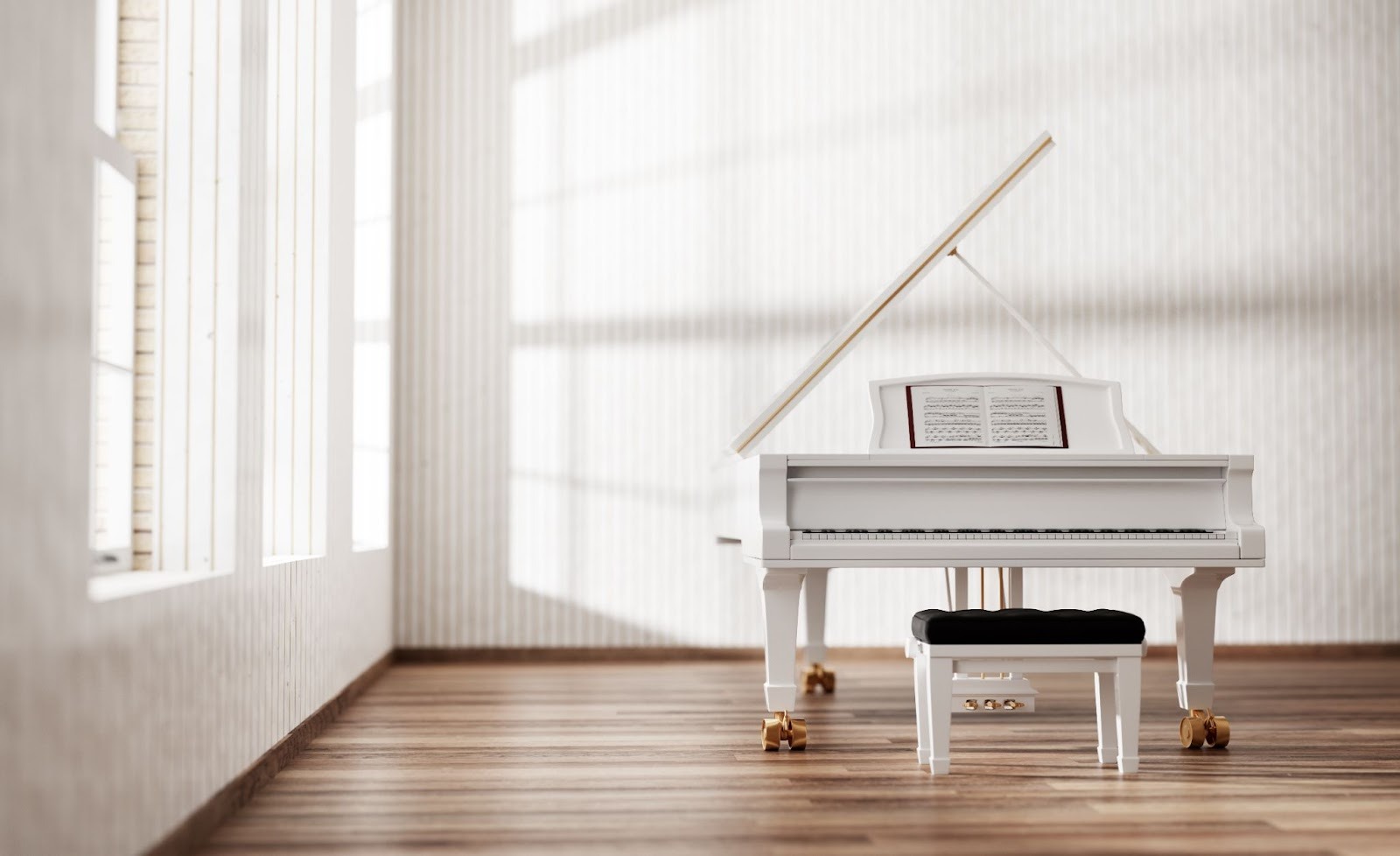
Moving a piano isn’t just a furniture job; it’s a high-stakes project affecting your property, safety, and investment. These instruments are bulky, fragile, and often one-of-a-kind. Damaging one can cost thousands in repairs or completely ruin its performance. That’s why preparing your home ahead of time is not just smart, it’s necessary.
Why Moving a Piano Needs Advance Planning
Moving a piano requires more than strength; it demands a plan tailored to your home and its dimensions. These instruments are sensitive to movement, weight distribution, and environmental changes. A slight bump can knock internal components out of alignment or leave permanent marks on your flooring. Advanced preparation protects your piano and prevents unnecessary damage to your property.
What Makes Pianos Harder to Move Than Furniture
Pianos carry their weight unevenly, making them tricky to balance during transport. Grand pianos and upright models have different shapes and weight centers, which affect how they move through doors and around corners. Most weight sits in the cast-iron plate and soundboard, not the legs or frame. That is why lifting the wrong way often leads to injuries or property damage. Movers must account for every inch of the route to avoid scraping walls or damaging floors. Unlike a sofa, a piano doesn’t forgive mistakes.
Risks of Moving a Piano Without Home Prep
Without preparation, a piano move can quickly go sideways, literally. Floors can be scratched, door frames dented, and stair rails ripped from the wall. Internal damage to the piano’s hammers, strings, or dampers can affect its tone and cost hundreds in repairs. Many homeowners also underestimate the personal injury risk involved. A falling piano can crush toes, strain backs, or even shatter bones. Avoiding these risks starts with proper home prep.
How to Prep Your Home Interior Before a Piano Move
To prepare your home for a piano move, you need a clear, reinforced path from start to finish. The moving route should be wide enough for turns, stable enough to support the piano’s weight, and free of tripping hazards. Minor layout changes, like removing doors or furniture, can make a big difference. Lighting, floor protection, and measuring access points all play critical roles.
Measure Entryways and Tight Passages First
Start by measuring your piano’s full dimensions: width, depth, and height. Then, walk the entire moving route inside your home, measuring doorways, stairwells, and tight corners. Don’t forget ceiling height and railing gaps, especially on staircases. Consider temporarily removing doors, railings, or wall trim if any passage is too narrow. Knowing your exact clearances helps prevent surprise damage mid-move. Accurate measurements are the foundation of a smooth relocation.
Clear Obstacles and Define a Safe Route
Once you know the route, remove anything that could block or trip movers. That includes rugs, electrical cords, entryway furniture, and decorative items. Pets and children should be kept away from the area to reduce risk. Use painter’s tape or signs to mark the movement path clearly for helpers. Ensure both starting and ending zones have enough space for turning and lifting. Keeping the route clear minimizes stress and avoids last-minute scrambling.
Use Floor Protection to Prevent Surface Damage
Pianos can crush hardwood, tile, or soft laminate if not properly supported. Place plywood sheets or commercial-grade mats along the path to spread out the weight. Use corner guards or foam to protect baseboards and wall edges. Moving blankets work well to pad door frames and tight turns. Even carpeted floors need protection—some castors or dolly wheels can rip fibers or leave dents. Reinforcing the path preserves your flooring and keeps the piano stable.
Check and Improve Indoor Lighting Conditions
Dim or uneven lighting makes it harder to guide large objects like pianos. Replace low-watt bulbs with bright, cool LED lights, especially in stairwells and halls. Add temporary lighting with clip-on work lamps or battery-powered lights if your move happens in the early morning or evening. Watch for shadows that can hide steps or corners. Good lighting prevents accidental bumps, drops, or injuries. Visibility is a fundamental but often overlooked part of prep.
How to Secure the Piano Before Moving
Securing your piano prevents structural damage during transport. It includes locking moving parts, wrapping delicate surfaces, and removing anything detachable. Proper wrapping reduces the risk of scratches, dents, and internal vibration affecting tuning. A well-prepped piano moves smoothly and holds its integrity.
Lock the Keyboard and Protect the Lid
Close the keyboard lid gently and lock it if your model allows. If it doesn’t lock, wrap it securely with stretch film or a soft strap. Place a microfiber cloth between the lid and keys to avoid scratching. Never use adhesive tape on the wood finish—it can peel lacquer or stain. Wrapping the top and front also protects against dust and debris during transit. Keeping the lid secure limits internal movement and preserves your instrument’s tuning.
Detach and Wrap Any Removable Parts
If the model allows, carefully remove parts like music stands, pedals, or piano legs. Wrap each item in bubble wrap and secure it with stretch film. Store all screws or fasteners in labeled bags and keep them together in a single box. Removing these parts makes the piano lighter and easier to maneuver. It also reduces the risk of breakage, especially with long transport times. Proper labeling also speeds up reassembly later.
Wrap the Entire Body With Moving Blankets
Use heavy-duty moving blankets or thick pads to cover the piano entirely. Wrap each side individually, then secure the whole unit with moving straps or tape. Protect corners and edges with extra padding to absorb shocks. Avoid thin blankets or bedsheets; they don’t offer enough cushioning. Ensure the blankets stay tight during the move to avoid slipping. Well-wrapped pianos resist scratches, dents, and minor bumps during transit.
Navigating Stairs and Corners While Moving a Piano
Navigating stairs or narrow turns with a piano adds real risk. These areas demand planning, coordination, and specialized tools to avoid slips or sudden drops. The more confined the space, the more likely something will go wrong without preparation. Taking time to plan around these hazards reduces injury and property damage.
Use Ramps or Platforms for Safer Lifting
If you’re dealing with stairs, ramps provide smoother control than raw lifting. Use a stable piano ramp with rubber grips or an anti-slip texture. In multi-story homes, temporary platforms help movers pause and regain control mid-staircase—secure ramps at both the top and bottom to prevent shifting. Test the surface with a lighter load first. Gradual transitions reduce shock to both the piano and the movers.
Prepare Stairways and Remove Railings if Needed
Narrow staircases with turns are high-risk zones for heavy items. Remove railings to create more space. Pad sharp corners with towels or foam to avoid chipping wood or walls. Reinforce stairs with boards if they’re old or creaky. Test each step for stability before the move begins. Removing these small obstacles can prevent significant repair costs.

Watch for Slippery or Uneven Surfaces
Walk the route and check for slick tiles, warped wood, or loose steps. Clean and dry all surfaces before movers arrive. Add rubber mats to tile or laminate flooring where the piano will roll. Adjust your ramp or reroute the path if your home has a slope near the entryway. Always account for the weather if moving during rain or snow. One small slip can lead to irreversible damage.
When to Call Professional Piano Movers
Piano moving isn’t always a DIY job. If the layout is complex or the piano is large, hiring a professional saves time, money, and your back. Movers bring tools, team members, and insurance policies you likely cannot access. Many offer services tailored to your home’s layout and piano type.
How to Vet a Trustworthy Moving Company
Choose a company with experience moving pianos, not just general household movers. Ask how many piano jobs they’ve done recently and what tools they use. Look for current insurance coverage, detailed contracts, and verified reviews. Reputable movers will assess your space ahead of time. They’ll also provide a step-by-step plan so you know what to expect. Don’t just go by price; go by proven results.
What Moving Day Looks Like With Experts
Professional movers start by inspecting your home’s layout and removing obstacles. They wrap the piano, secure it on dollies or boards, and move slowly through your home. You should stay nearby for questions, but avoid interfering. The team may take breaks to reset on stairs or turns. Expect frequent communication and steady pacing. A good crew won’t rush, and that’s a good sign.
Piano and Home Recovery Tips After the Move
Once the move ends, inspect your home and piano immediately. New marks on walls, flooring, or the instrument should be addressed, before they worsen. Your piano also needs time to adjust to the environment before being tuned. Temperature and humidity shifts affect sound quality and structure.
Fix Minor Property Damage Right Away
Check walls for scrapes or impact marks, especially around tight turns. For minor blemishes, use touch-up paint, spackle, or wood filler. Repairing scuffed floors quickly prevents deeper damage from foot traffic. Document any mover-caused damage while it’s fresh. If you’re covered under a mover’s insurance, file a claim immediately. Quick fixes keep your home in top shape.
Let the Piano Rest Before Retuning
After a move, a piano needs time to settle before tuning. Shifting environments can stretch strings or affect wooden components. Wait at least ten to 14 days before scheduling a tuner. Avoid placing the piano near vents, windows, or heaters to minimize temperature changes. Stable conditions will help the instrument return to proper tone. Rushing tuning too soon can throw it off again.
Get Your Home Ready Before Moving a Piano
The moment you decide to move a piano, the clock starts ticking. Delays invite stress, damage, and unnecessary costs. Preparation isn’t a bonus but a part of the move itself. Clear the path, protect your space, and treat your piano like the precision instrument it is. The effort you invest now shapes how well your piano performs in its next home. Start early, move smart, and avoid regrets that could have been prevented.
Curious what seasoned pros know that most movers miss? Discover more insights and brilliant moving strategies on the Space Age Movers blog.