Moving a piano isn’t just heavy lifting—it’s precision handling of a complex musical instrument with thousands of delicate parts. Unlike sofas or bookshelves, pianos have a high center of gravity, fragile cabinetry, and sensitive action assemblies that can be thrown out of alignment by the slightest jolt. Professional teams train specifically in piano moving techniques, learning how to map pathways, protect finishes, and secure the soundboard and plate during transport. They also understand torque, angles, and the way a piano’s weight shifts through doorways and on stairs. With specialists, the goal isn’t merely to relocate an object; it’s to preserve an instrument’s tone, playability, and value from doorstep to destination.
How Piano Moving Protects Structural Integrity During Transit
A piano’s frame, soundboard, and bridges interact to create resonance; stress in the wrong place can cause hairline cracks, buzzing, or permanent tonal loss. True specialists plan routes, pad contact points, and stabilize the instrument to limit vibration and twisting forces.
Stabilization Prevents Micro-Damage
Proper strapping and immobilization reduce flex, which can stress the soundboard, rib joints, and bridges, thereby preserving clarity and sustain.
Correct Weight Distribution
Pros balance the load on skids and dollies, ensuring shocks are absorbed evenly and pressure points are avoided, which can warp casters or legs.
Gentle Handling Over Thresholds
Lift-and-glide techniques, ramps, and sliders prevent sudden impacts that travel straight into the plate and pin block.
Purpose-Built Piano Moving Equipment and Protective Materials
Specialized gear isn’t optional with pianos; it’s the baseline for a safe move. Professional crews arrive with heavy-duty piano boards, adjustable straps, padded covers, ramps, stair climbers, and low-profile dollies designed for tight turns and delicate flooring. They use corner guards, neoprene or felt padding, and wrap sequences that protect the fallboard, lid, and high-gloss finishes from compression marks and abrasion. Even the truck matters—air-ride suspensions and securement systems minimize road vibration. When the right tools meet trained hands, the instrument stays stable, the home remains pristine, and the move proceeds with calm, controlled precision.
Piano Boards and Skids
Custom-fitted boards cradle the case, creating a stable base that reduces twist and makes navigating stairs far safer.
Air-Ride and Tie-Down Systems
Professional trucks and anchor points dampen vibration while keeping the instrument locked in a safe travel posture.
Finish-Safe Padding
High-density wraps and non-marring materials protect lacquer, satin, or open-pore finishes from scuffs and pressure dents.
Piano Moving Minimizes Liability, Insurance Risk, and Hidden Costs
Regular movers may be insured for furniture, but many policies exclude high-value instruments or cap coverage well below a piano’s worth. Specialists carry appropriate cargo and liability coverage tailored to instruments, and they document the condition before, during, and after the move. That diligence reduces disputes and gives you a clear path if anything goes wrong. More importantly, preventing damage avoids far larger downstream costs: cabinet repairs, action regulation, or even soundboard issues that can dwarf the price of a professional relocation. With expert piano moving, you’re managing risk intelligently rather than gambling on a general service.
Piano Moving Accounts for Homes, Stairs, Tight Turns, and Site Constraints
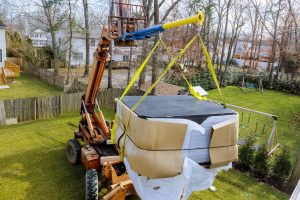
No two environments are the same. Specialists survey pathways, measure clearances, and prepare solutions for narrow stairwells, spiral steps, long exterior runs, and soft landscaping. They know when to remove doors, detach lids or lyres, and use team choreography to maintain control at every angle.
Site Surveys Eliminate Surprises
Walkthroughs reveal hazards in advance, allowing teams to stage ramps, protect floors, and plan the safest route.
Controlled Stair Navigation
Experienced crews coordinate lifting cadence and communication so each step is predictable, stable, and strain-free.
Floor and Wall Protection
Surface shields, runners, and corner guards prevent scuffs, gouges, and compression marks in tight passages.
Piano Moving Safeguards Tuning Stability and Action Performance
While any relocation can nudge an instrument out of tune, specialists know how to transport with minimal shock and climate fluctuation, which helps preserve relative pitch and touch. They avoid placing the instrument in positions that stress the plate or hammers, and they reduce repeated micro-impacts that complicate post-move tuning. Competent movers also understand the value of acclimation; they advise letting the instrument rest at room temperature and humidity before scheduling a tuning. This respect for the piano’s mechanics and materials translates into faster stabilization and a quicker return to expressive playing.
Protects Finish, Hardware, and Aesthetic Value With Piano Moving
Beyond sound, a piano is often a centerpiece in a room—its casework and sheen communicate craftsmanship. Specialists wrap hardware, isolate pedals, and shield delicate edges so the instrument arrives without rubs, swirls, or hardware dings. They also use clean gloves and non-shedding materials to keep polish work pristine. The difference shows when the blankets come off: no mystery scratches, no cloudy patches on high-gloss finishes, and no loose hinges or rattling fallboards. Protecting appearance protects resale value, insurability, and pride of ownership.
Climate Awareness in Piano Moving and Short-Term Storage Options
Temperature and humidity swings can affect wood movement, glue joints, and felt. Professional teams monitor weather, use sealed trucks, and, when needed, provide short-term climate-aware storage that mitigates extreme conditions. If schedules don’t align perfectly, the instrument is staged in a facility with stable conditions, not a drafty warehouse corner. This attention to the environment reduces the likelihood of tonal changes, sticking keys, or sluggishness in action after delivery. When the instrument finally lands in its new space, it arrives ready to acclimate—not recover from avoidable stress.

Piano Moving Pays Off in Long-Term Value and Owner Peace of Mind
The real return on hiring specialists isn’t only a damage-free arrival—it’s preserving how the instrument feels beneath your hands and sounds in your space. Professional technique maintains structural integrity, protects finish, and shortens the path back to consistent tuning. The result is less maintenance, fewer surprises, and confidence every time you open the lid. Compared with the risk and hidden costs of a general move, the premium for expert care is modest. Over years of ownership, that choice more than pays for itself.
Choosing a Piano Moving Partner You Can Trust
Selecting the right provider is about proven process, not just price. Look for companies that focus on pianos daily, maintain dedicated equipment, and explain their plan for your specific instrument and home. Ask about insurance levels, training, truck suspension, and how they protect floors and finishes. A trustworthy team will welcome those questions and provide clear answers, references, and scheduling that includes acclimation and post-move guidance.
Verify Instrument-Specific Experience
Daily exposure to uprights, grands, and baby grands indicates refined technique and reliable problem-solving.
Confirm Coverage and Documentation
Adequate cargo and liability insurance, plus condition reports, protect both the instrument and your home.
Expect a Detailed Plan
From route mapping to padding strategy, professionals outline each step so you know exactly what will happen.
Ask About Aftercare
Good crews advise on acclimation and tuning timelines, helping the instrument settle smoothly into its new environment.
Piano Moving, in the End, is About Respect for the Instrument
At its core, specialist relocation is a craft built on respect: respect for the complexity of the action, the resonance of wood and wire, and the artistry the piano makes possible. Where regular moves treat objects as cargo, expert teams treat your instrument as a living system that must arrive whole in sound, feel, and form. If music matters to you—or if you simply want to protect a valuable heirloom—choose the path that honors what a piano truly is. Professional piano moving isn’t an upgrade; it’s the only move that makes musical sense.
Visit our Space Age Movers blog to learn more about how pianos are moved.