
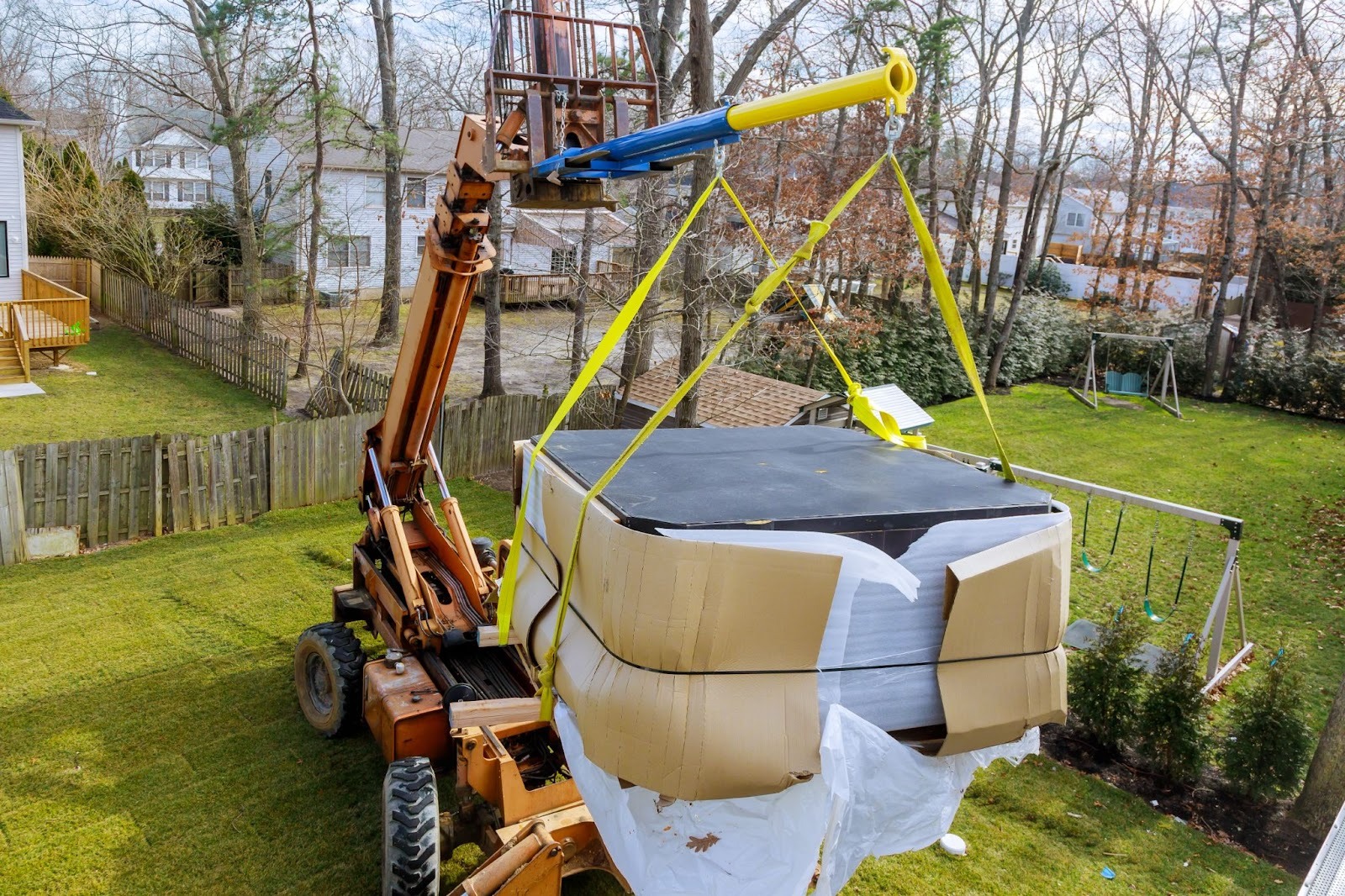
Relocating a spa across cities or states is a logistics project, not a simple furniture move. You’re dealing with a bulky acrylic shell, a wood or synthetic cabinet, pumps, heaters, and sensitive electronics that react to vibration, moisture, and temperature swings. Professionals plan routing, use protective crating and lift systems, and secure the load to prevent the frame from being torqued on stairs or ramps. Done right, moving a hot tub preserves the shell, cabinet, plumbing, and control board while preventing damage to driveways, decks, and interior floors.
Moving a Hot Tub Starts With Smart Prep Before Moving Day
A successful long-distance relocation begins days in advance with careful prep that reduces risk. The spa must be fully drained, power isolated, water lines cleared, and access paths measured so corners, railings, and gate widths don’t become last-minute surprises. Documenting the condition with photos protects your warranty and makes delivery inspection straightforward.
Drain and Dry Thoroughly
Leftover water sloshes during transit, stressing fittings and soaking insulation. Drying the shell and plumbing minimizes mold and odors.
Disconnect Power and Label
Clearly label conductors and breakers so reinstallation is quick and safe. Photograph wiring and controller settings before disassembly.
Measure Access and Map Routes
Stair angles, turns, and grade changes dictate which sleds, dollies, or cranes are needed. Measurements prevent risky improvisation.
Moving a Hot Tub Safely Requires Purpose-Built Gear and Techniques
Specialized movers bring spa sleds, low-profile dollies, lift straps, rigging bars, and protective corner caps that distribute weight and prevent stress points. For long distances, they add shrink wrap, padded blankets, and weatherproof sheeting to guard against road spray and debris. Air-ride trucks and proper tie-downs reduce vibration that can loosen unions, crack brittle PVC, or scuff high-gloss cabinets. The right tools let crews control balance and momentum instead of fighting gravity.
Moving a Hot Tub Over Long Distances Comes With Cost Variables to Understand
Budgeting means accounting for more than mileage. Rate structures reflect team size, rigging complexity, access difficulty, packaging, and transit insurance. Transparent estimates list each element so you can compare apples to apples rather than chasing the lowest headline price.
Size and Weight Drive Labor
Larger, deeper models require stronger sleds and more hands-on stair runs. More mass also increases loading time.
Access Complexity Adds Time
Tight gates, hillside yards, or third-floor terraces slow the move. Expect costs to reflect extra rigging or crane time.
Mileage and Fuel Matter
Long hauls add driver hours and fuel surcharges. Ask how carriers handle tolls and overnight stops.
Insurance and Packaging Protect Value
Crating, wrapping, and declared value coverage slightly increase line items but dramatically reduce risk and dispute potential.
Moving a Hot Tub Across State Lines Involves Rules, Routing, and Timing
Interstate transport can require different carrier permits, HOA approvals for street staging, or reservations for loading zones. Schedules sometimes shift around weather windows to avoid heavy rain, high winds, or freezing temperatures that make handling and road conditions unsafe. Good movers build contingency plans, communicate adjustments, and document the chain of custody so you always know where your spa is and when to expect arrival.
Moving a Hot Tub Without Damaging Your Home or Yard is a Priority
Protecting the property is as important as preserving the spa. Crews stage floor runners, Masonite sheets, or turf boards to spread loads over tile, hardwood, grass, or pavers. Door jamb protectors and corner guards keep finishes clean. When elevation changes are involved, portable ramps and winch assists manage controlled movement so there are no gouges in steps or ruts in soil.
Safeguard Surfaces Indoors and Out
Temporary pathways prevent crushed lawns, cracked pavers, and scratched hardwood. Clean routes reduce slip hazards.
Plan for Weather and Drainage
Wet ground and slick stairs change traction and braking. Rescheduling by a day can avoid costly property damage.
Moving a Hot Tub the Right Way Protects Shells, Frames, and Cabinets
A spa’s structure is strong in the directions it was designed to hold water, not necessarily when rotated or side-loaded. Professionals support panels evenly, avoid lifting by fragile skirt sections, and pad contact points to prevent fasteners from imprinting the acrylic. They never “muscle” a corner; they pivot, tilt, and slide with control to prevent torsion that could cause spider cracks later.
Moving a Hot Tub Safely Also Means Respecting Plumbing and Electronics
Inside the cabinet are unions, manifolds, heater housings, and a control board—all vulnerable to shock and moisture. Proper orientation, bracing, and protective wrap keep components stable during long rides. On delivery, pros recheck unions, inspect gasket seats, and verify controller connections before powering up.
Use Correct Orientation and Support
Keeping the equipment bay upright reduces strain on unions and pump mounts. Even support prevents sagging and stress.
Brace Components Before Wrap
Foam blocks or straps keep pumps and heaters from bouncing. Padding isolates the control box from vibration.
Reassembly and Leak Checks
After placement, unions are retightened and filled slowly. A staged power-on protects heaters and relays.
Moving a Hot Tub Long Distance Requires Climate Awareness and Timing
Extreme cold can stiffen vinyl covers and shrink gaskets; scorching heat can soften cabinet materials and adhesives. Season and time of day affect handling, packaging choices, and acclimation steps at delivery. Thoughtful planning reduces thermal shock so the spa’s shell, seals, and electronics stabilize quickly in the new environment.
Moving a Hot Tub Isn’t Finished Until Post-Move Setup is Done Right
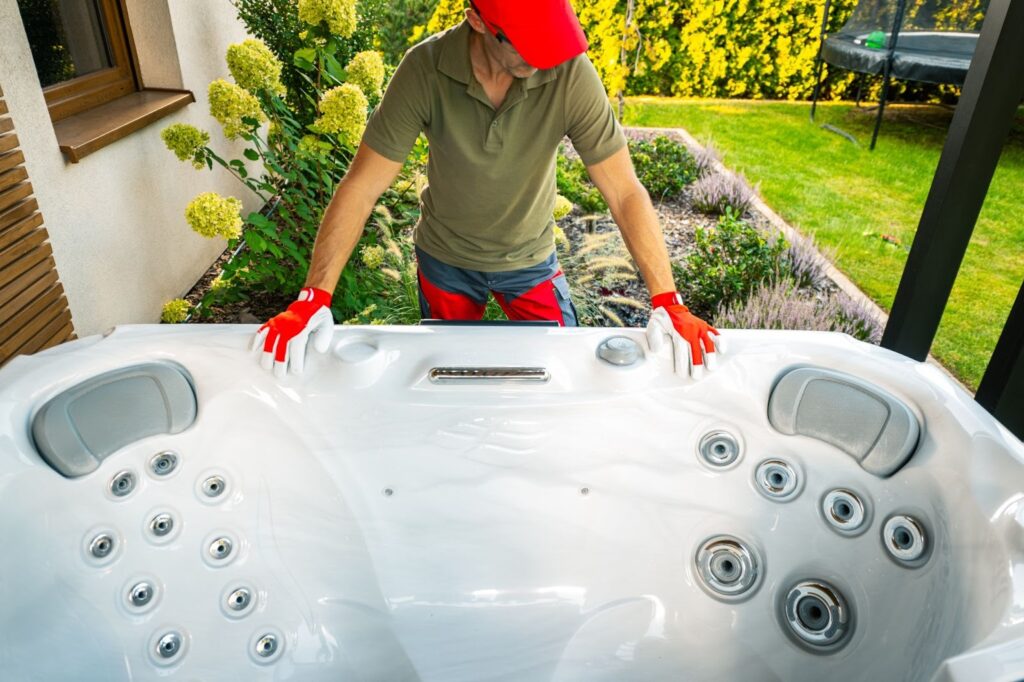
After placement, the spa should rest level on a stable pad so the shell and frame aren’t under uneven stress. Filling with balanced water, purging air from lines, and verifying proper flow protect the heater from dry-fire. Only after the system passes leak checks and GFCI verification should heat cycles begin. Scheduling a follow-up water test a day or two later ensures sanitizers, pH, and alkalinity are dialed in for safe use.
Choosing Professionals for Moving a Hot Tub Over Long Distances Pays Off
Selecting the right partner is the easiest way to lower risk. Look for teams that move spas every week, maintain dedicated gear, and provide clear, written plans for access, packaging, transit, and reinstallation. Ask about insurance certificates, carrier type, driver experience, and how they handle weather delays or storage if schedules shift. A trustworthy mover treats your spa like specialized equipment, not a bulky box.
Verify Repeatable Spa Experience
Daily spa handling sharpens rigging judgment and protects both property and equipment.
Confirm Insurance and Documentation
Certificates, condition photos, and clear claims procedures make problems rare—and resolvable.
Expect a Detailed Route and Access Plan
Measurable steps, from gate widths to stair angles, signal professional preparation.
Ask About Delivery Acclimation
Guidance on leveling, fill procedures, and first power-up shows the team understands long-term performance.
Moving a Hot Tub Long Distance Comes Down to Control, Not Force
The safest moves rely on planning, measurement, and specialized tools that keep momentum in check. When crews anticipate obstacles and protect both the spa and surroundings, your hot tub arrives ready to enjoy, not to repair. Investing in experts reduces surprises, keeps costs predictable, and preserves the value and lifespan of your spa for years to come.
Visit our Space Age Movers blog to learn more about the methods of moving hot tubs and other large objects.